 Voyaggora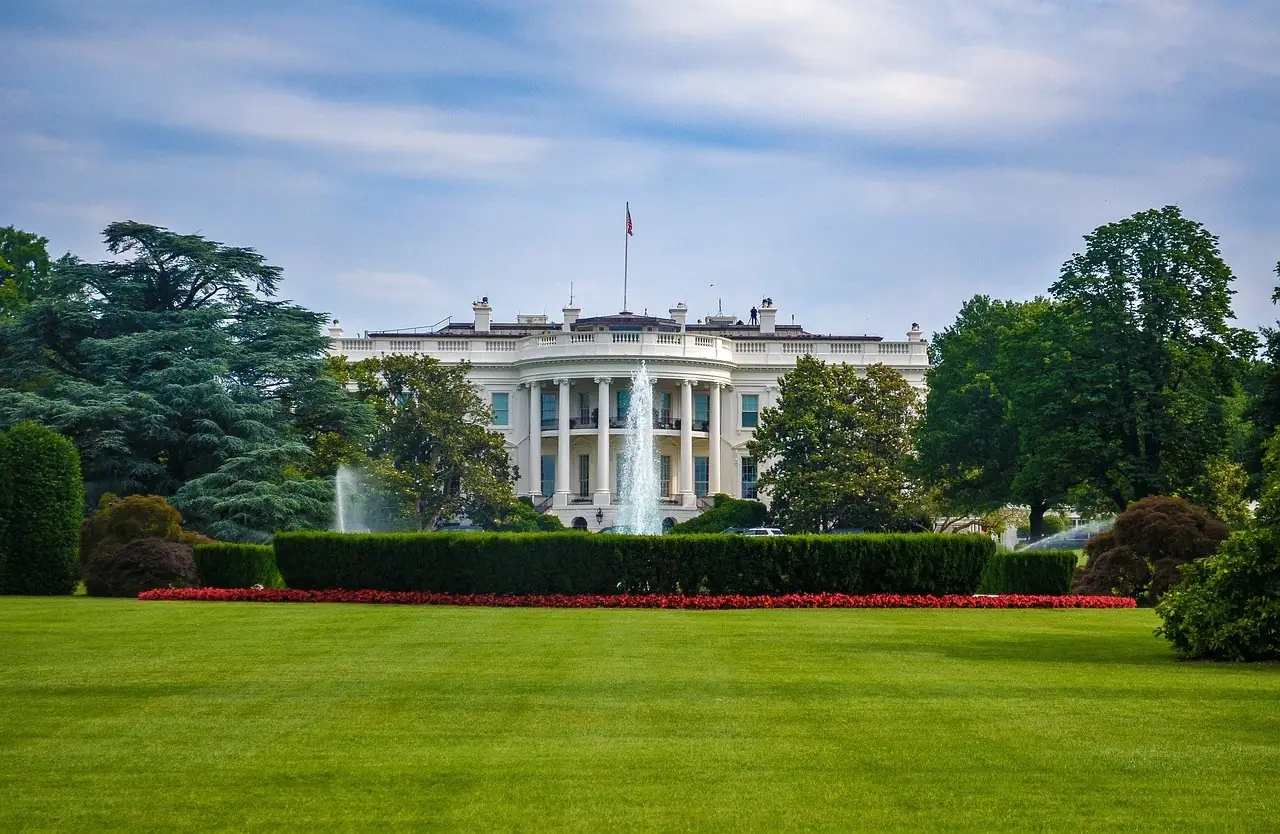
Top sights in Washington, DC
- Lincoln Memorial – Memorial in Washington, D.C., United States
- White House – Official residence and office of the President of the United States
- United States Capitol – Meeting place of the United States Congress
- Washington Monument – Obelisk on the National Mall in Washington, D.C.
- National Air and Space Museum – Aerospace museum in Washington, D.C.
- National Mall – Park in Washington, D.C.
- Jefferson Memorial – Memorial in Washington, D.C., United States
- Smithsonian Institution – Group of museums and research centers administered by the United States government
Well-known landmarks, each checked against Wikidata (CC0), which also supplies the one-line descriptions. The bookable tours below are the second layer: guided ways to see them.
Top-rated tours in Washington, DC
See all things to do in Washington, DC → More tours on Viator →
Planning your trip to Washington, DC
Best time to visit
March to May and September to November bring mild weather; the cherry blossoms around the Tidal Basin usually peak in late March or early April and draw big crowds. Summer is hot and humid, and winter is cool with occasional snow. Congress being in session and school groups in spring can make popular sites busier.
How many days you need
Three to four days covers the National Mall and its memorials, several of the Smithsonian museums, the Capitol and a walk through Georgetown. Add a day for Arlington National Cemetery, Mount Vernon or more time in the museums, which could fill a week on their own.
Getting around
The Metro is clean and efficient and links the city with the nearby suburbs and Reagan National Airport, and buses and a circulator cover other routes. The Mall and many central sights are walkable, though distances between the memorials are longer than they look. Bikeshare and scooters are common. Driving and parking downtown are difficult.
What to skip
The Smithsonian museums are free, but some popular ones use timed-entry passes, and tours of the Capitol and the White House need booking ahead, the latter through a member of Congress or an embassy. Wear comfortable shoes and carry water in summer, as the Mall has little shade. Expect security screening at most federal buildings and pack light.
Where to stay in Washington, DC
Hotels and vacation rentals around Washington, DC with live prices from the big booking sites. Pick your dates on the map to compare.
Hotel map by our partner Stay22. If you book through it we may earn a commission, at no extra cost to you.
Best time to visit Washington, DC
The most comfortable months in Washington, DC are March to May and September to November, with average daytime highs of 57 to 79°F (14 to 26°C) and 8 to 13 rainy days a month. July is the hottest month, averaging 89°F (32°C), and January the coolest at 45°F (7°C). August sees the most rain, around 16 days, while October is the driest with about 8.
Jump to a month: Jan Feb Mar Apr May Jun Jul Aug Sep Oct Nov Dec
| Month | Avg high | Avg low | Rain (about, mm) | Rainy days | Verdict |
|---|---|---|---|---|---|
| January | 45°F (7°C) | 30°F (-1°C) | 70 | 11 | Shoulder: 45°F (7°C), 11 rainy days |
| February | 50°F (10°C) | 32°F (0°C) | 70 | 10 | Shoulder: 50°F (10°C), 10 rainy days |
| March | 58°F (14°C) | 38°F (3°C) | 80 | 10 | Best: 10 rainy days |
| April | 67°F (19°C) | 47°F (8°C) | 90 | 12 | Best: 12 rainy days |
| May | 75°F (24°C) | 55°F (13°C) | 110 | 13 | Best: 13 rainy days |
| June | 84°F (29°C) | 65°F (18°C) | 120 | 12 | Shoulder: 84°F (29°C), 12 rainy days |
| July | 89°F (32°C) | 71°F (22°C) | 120 | 15 | Avoid: among the wettest, 15 rainy days |
| August | 86°F (30°C) | 69°F (21°C) | 110 | 16 | Avoid: among the wettest, 16 rainy days |
| September | 79°F (26°C) | 62°F (17°C) | 110 | 11 | Best: 11 rainy days |
| October | 69°F (21°C) | 52°F (11°C) | 100 | 8 | Best: 8 rainy days |
| November | 57°F (14°C) | 40°F (4°C) | 80 | 8 | Best: 8 rainy days |
| December | 49°F (9°C) | 33°F (1°C) | 100 | 10 | Shoulder: 49°F (9°C), 10 rainy days |
Average daily high and low, and days with rain (a day with at least 1 mm), from Open-Meteo ERA5 records for 2019-2024. Highlighted rows are the pick above. Verdicts use only these numbers.
Rainfall: NASA POWER monthly normals.
Plan the rest of your trip to Washington, DC

More destinations in USA & Canada
Closest guides to Washington, DC
Planning guides
Right now in Washington, DC
Is it safe to travel to United States right now?
Official US, UK and Canada travel advice for United States, side by side, with each source and the time it was checked. See today's advisory for United States
Washington, DC: common questions
- When is the best time to visit Washington, DC?
- The best time to visit Washington, DC is March to May and September to November, when average highs run 57 to 79°F (14 to 26°C) with 8 to 13 rainy days a month. July is the hottest month at 89°F (32°C) on average, and January the coolest at 45°F (7°C).
- What is the rainiest month in Washington, DC?
- August, with roughly 16 days of rain. The driest is October, with about 8. A rainy day is a day with at least 1 mm of rain; figures are averages from 2019-2024 records.
- How warm does it get in Washington, DC?
- July is the warmest month, averaging 89°F (32°C) by day and 71°F (22°C) at night. January is the coolest, at 45°F (7°C) by day and 30°F (-1°C) at night.
- What is the rainy season in Washington, DC?
- The wettest months in Washington, DC are April to August, with 12 to 16 rainy days a month. October is the driest.
- When is cherry blossom season in Washington, DC?
- March to May and September to November bring mild weather; the cherry blossoms around the Tidal Basin usually peak in late March or early April and draw big crowds.
- How many days do you need in Washington, DC?
- Three to four days covers the National Mall and its memorials, several of the Smithsonian museums, the Capitol and a walk through Georgetown. Add a day for Arlington National Cemetery, Mount Vernon or more time in the museums, which could fill a week on their own.
- How do I get around Washington, DC?
- The Metro is clean and efficient and links the city with the nearby suburbs and Reagan National Airport, and buses and a circulator cover other routes. The Mall and many central sights are walkable, though distances between the memorials are longer than they look. Bikeshare and scooters are common. Driving and parking downtown are difficult.
- Is it safe to travel to United States right now?
- Voyaggora shows the official US, UK and Canada travel advisories for United States on one page, with the source and the time each was last checked. Open the live advisory for United States before you book.
- What other places are near Washington, DC?
- The closest Voyaggora guides to Washington, DC are Philadelphia (120 miles), New York City (200 miles), Niagara Falls (310 miles).
Some links on this page are sponsored: if you book through them we may earn a commission at no extra cost to you. Ratings and review counts come from GetYourGuide and were last checked on September 28, 2026. Prices, availability and rules are set by the providers and change often. See our affiliate disclosure.